Not every real estate photography services in Las Vegas produces the same result. Desert light, luxury finishes, and MLS deadlines all put pressure on a shoot in ways that photographers in milder markets rarely deal with. Before booking, agents and property managers should confirm seven things: experience with harsh desert lighting, a portfolio that matches the property type, a real turnaround time in writing, full-service deliverables beyond still photos, a licensed drone operator, familiarity with 3D tour platforms, and knowledge of the specific neighborhood being photographed. This guide walks through each one, plus the questions worth asking and the mistakes that cost agents time on market.
Why the Right Photographer Matters More in a Market Like Las Vegas
Las Vegas real estate photography carries a few variables that don't show up in every market.
Southern Nevada sunlight is intense and directional for most of the day, which means windows blow out and interiors go dark in the same frame unless a photographer knows how to balance the exposure. A photographer who's used to overcast or moderate climates may not have the technical habits - bracketed exposures, HDR blending, timing the shoot around the sun - to handle that consistently.
The buyer pool adds another layer. A meaningful share of Las Vegas listing views come from out-of-state buyers, including a large volume from Southern California, who are deciding whether to book a flight based entirely on what they see online. If the photos and virtual tour don't hold up, that buyer scrolls to the next listing instead of calling their agent.
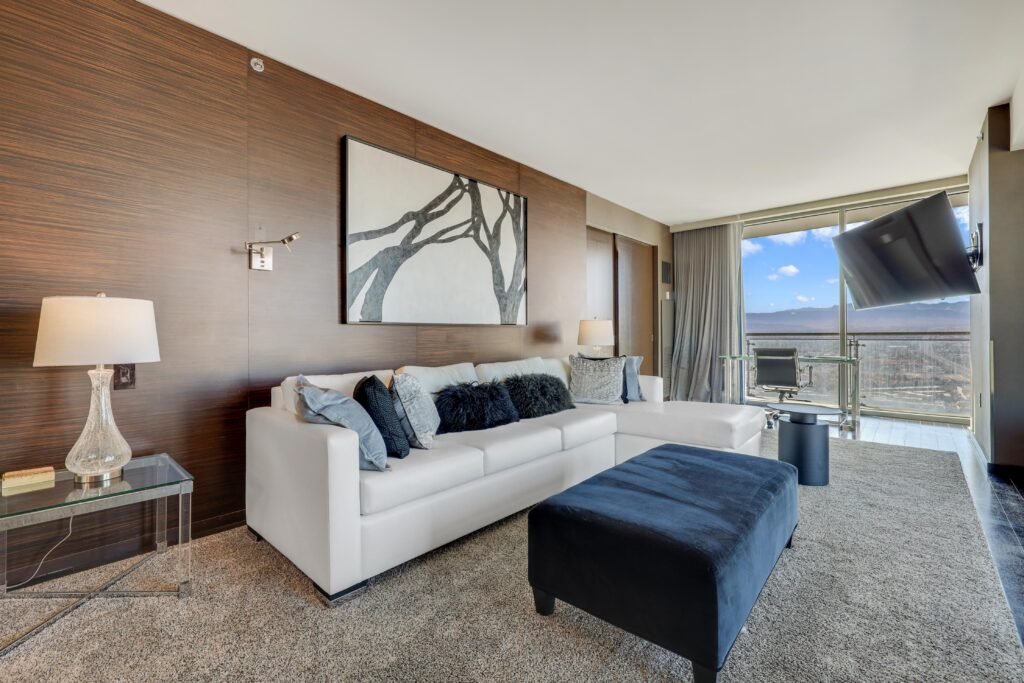
Property types vary widely too - high-rise condos near the Strip, gated luxury homes in Summerlin, older stock in Downtown and Spring Valley, and a steady stream of short-term rental and investment properties that get photographed on a fast turnaround between tenants. A photographer who only shoots one type of property well isn't necessarily the right fit for every listing.
None of this means every listing needs the most expensive package available. It means the photographer needs to actually understand these variables before the shoot, not figure them out on-site.
7 Things to Look For When Choosing a Real Estate Photographer in Las Vegas
Experience Shooting in Desert Lighting Conditions
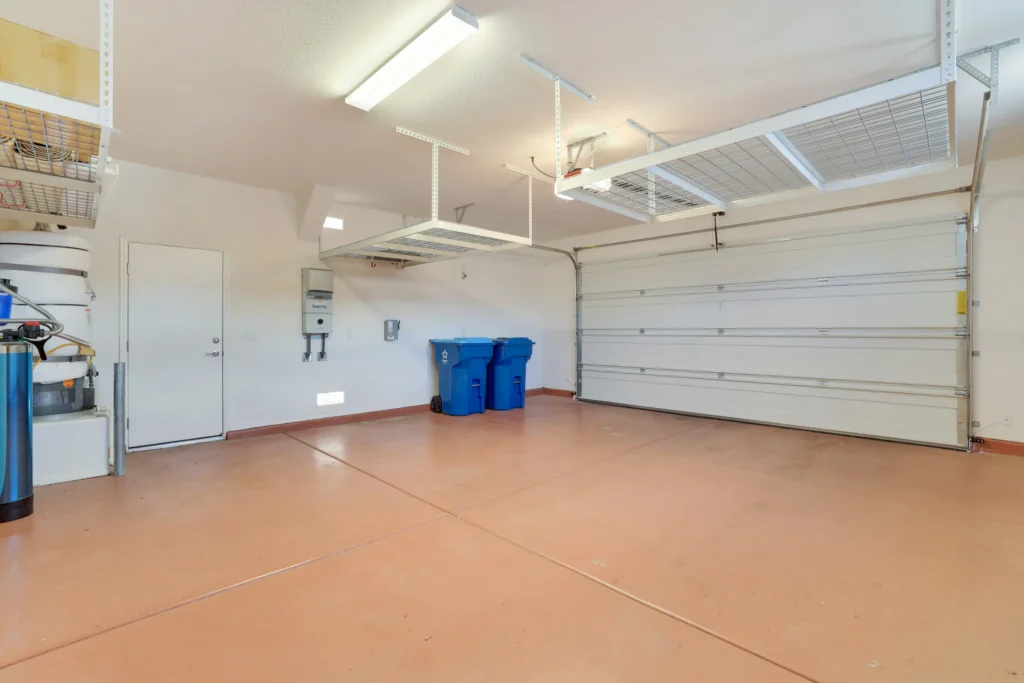
Ask to see interior photos taken mid-afternoon with large windows in frame. That's the hardest lighting scenario in this market, and it separates photographers who understand HDR technique from those who don't. Blown-out windows, overly dark rooms, or a flat, over-processed look are all signs the photographer is fighting the light instead of working with it.
A Portfolio That Matches Your Property Type
A photographer who mostly shoots modest single-family homes may not be the right choice for a luxury estate with high-end finishes, or for a 40-unit short-term rental portfolio that needs to be turned around fast. Look through the portfolio for examples close to the property being listed - luxury real estate photography, condo interiors, or investment properties - rather than assuming general real estate experience covers every property type equally.
A Real Turnaround Time, in Writing
"Fast" isn't a turnaround time. Ask for a specific window - 24 hours, 48 hours, same-week - and get it confirmed before booking, not after the shoot. A property sitting vacant for an extra few days waiting on photos adds holding costs and hands a competing listing a head start. Turnaround matters even more for investors and flippers moving properties on a tight schedule.
Full-Service Deliverables, Not Just Still Photos
MLS listings increasingly compete on more than photos alone. A photographer who can deliver still photography, a 3D or Matterport-style virtual tour, drone photography, floor plans, and virtual staging as one coordinated package saves an agent from coordinating multiple vendors and multiple site visits. It also keeps the visual style consistent across every deliverable, which matters when all of it ends up on the same listing.
A Licensed Drone Operator
Aerial photography of a Las Vegas property - lot lines, rooftop condition, proximity to the Strip, desert or golf course frontage - requires a licensed drone pilot operating under FAA rules. This isn't optional paperwork. An unlicensed operator puts the shoot, and potentially the listing timeline, at risk if something goes wrong. Ask directly whether the photographer or their drone operator holds a Part 107 certification.
Understanding of 3D Tour Platforms
Not every virtual tour platform serves the same purpose. Matterport and other 3D formats each have different pricing, hosting, and embedding trade-offs, and the right choice depends on the property and the budget. A photographer who can explain those differences - rather than defaulting to one platform regardless of the listing - is doing the client's homework instead of leaving it to guesswork.
Familiarity With the Specific Neighborhood
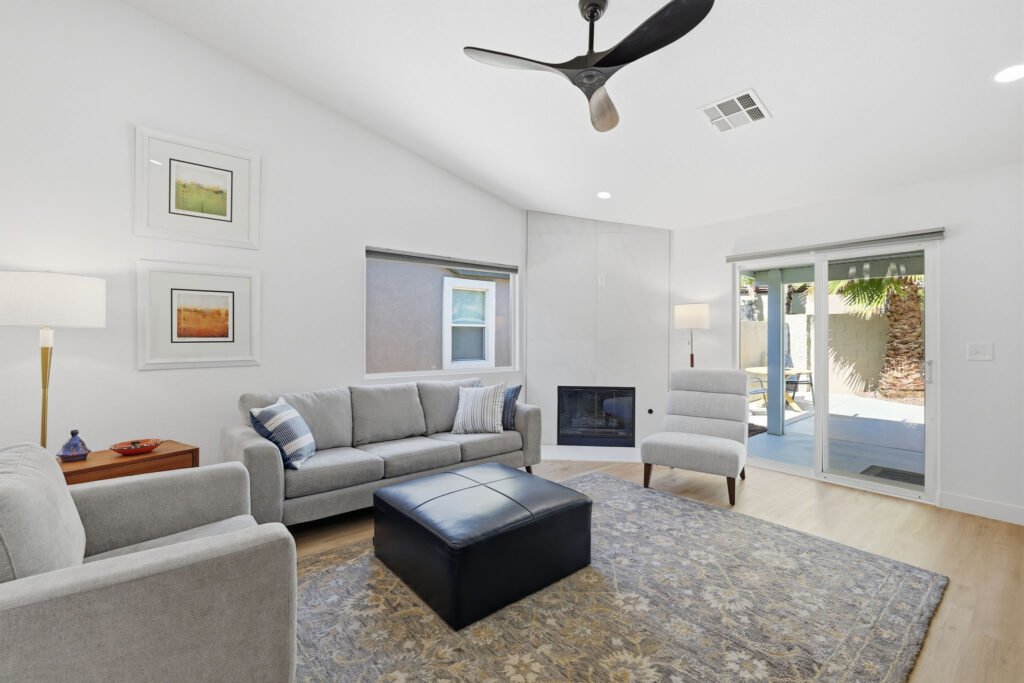
Summerlin, Henderson, Spring Valley, Downtown, and North Las Vegas each photograph differently. Light behaves differently against desert landscaping than it does in a mature, tree-lined neighborhood. A high-rise condo near the Strip has different exterior and view considerations than a single-story home in a gated Henderson community. A photographer who has shot regularly across these specific areas will typically move faster and need less direction on-site than one working in an unfamiliar part of the valley for the first time.
Questions to Ask a Real Estate Photographer Before You Book
A short conversation before booking answers most of the above at once. Worth asking directly:
- What's your typical turnaround time from shoot to delivered files?
- Can I see recent interior photos from a property with large windows, shot in the afternoon?
- Do you handle drone photography in-house, and is the operator FAA Part 107 licensed?
- Which 3D tour platform do you use, and why that one?
- Do you offer floor plans and virtual staging as part of the same booking?
- What areas of the valley do you shoot in regularly?
- What happens if a property isn't fully staged or photo-ready on shoot day?
That last question matters more than it seems. Vacant units, properties mid-renovation, or listings with minor clutter are common in this market, and a photographer's answer reveals whether they can adapt on-site or whether the shoot depends on the property being magazine-ready in advance.
Common Mistakes Agents Make When Hiring a Real Estate Photographer
Choosing on price alone. The cheapest quote often comes with a slower turnaround, no HDR processing, or no drone option - costs that show up later as extra time on market rather than on the invoice.
Not confirming drone licensing. Some photographers offer aerial shots without a Part 107-certified operator. That's a liability question worth asking before, not after, the shoot is booked.
Assuming every 3D tour platform is the same. Different platforms carry different hosting costs and embedding limitations. Booking without asking which platform is used - and why - can mean paying for more (or less) than the listing actually needs.
Booking without seeing recent local work. A polished portfolio from a different market doesn't confirm the photographer can handle Las Vegas's specific lighting and property mix. Ask for recent, local examples.
Overlooking staging and floor plan needs until later. Vacant listings and investment properties often need virtual staging or accurate floor plans in addition to photos. Sorting that out after the shoot means a second site visit and a longer timeline.
What a Professional Shoot Actually Looks Like
Before the shoot: A prepared photographer asks about the property in advance - whether it's occupied or vacant, whether any rooms need extra attention, and what deliverables the listing needs (photos only, or photos plus drone, 3D tour, and floor plans). This is also when turnaround time gets confirmed.
On-site: Each room gets shot with attention to exposure balance, since Nevada's light shifts quickly through a shoot. Adjustments happen in real time - repositioning a shot to avoid harsh glare, correcting for a room that reads too dark, or working around furniture and clutter in an occupied home. Drone shots, when included, are typically captured around the same visit to keep exterior lighting consistent with the interior set.
After the shoot: HDR processing balances the exposure across the property's interior and exterior shots. Any floor plans or 3D tour data get processed and delivered alongside the final images, ideally within the turnaround window that was agreed on before booking.
When a professional is worth it over a DIY approach: A phone camera can produce usable photos for a low-stakes rental listing. For an MLS listing, a luxury property, or anything where the seller expects top dollar, the difference between phone photos and professionally balanced HDR images is visible immediately in how a listing performs - click-through, time on market, and the impression it makes on a buyer deciding whether to book a showing sight unseen.
MLS Photo Standards and Why They Matter
Most MLS systems in the Las Vegas area have minimum resolution and formatting requirements for listing photos, and low-quality or improperly sized images can get flagged or rejected. Beyond the technical minimum, listings with professionally shot, well-lit photography consistently draw more clicks than listings with dim, poorly framed, or phone-shot images - which matters directly for an agent's ability to generate showings and offers in a competitive price range.
Accurate floor plans have become a related expectation for many buyers doing pre-purchase research online, particularly out-of-state buyers who won't see the property in person before making an offer. A photographer who includes floor plans as part of the package removes one more reason a serious buyer might pass on scheduling a showing.
Conclusion
Choosing a real estate photographer in Las Vegas comes down to seven checkable things: desert lighting experience, a matching portfolio, a confirmed turnaround time, full-service deliverables, licensed drone work, clarity on 3D tour platforms, and familiarity with the specific neighborhood being shot. Confirming these before booking - rather than finding out on shoot day - is what keeps a listing's photos, timeline, and first impression working in an agent's favor instead of against it.
FAQs
How much does a real estate photographer in Las Vegas typically cost?
Pricing varies based on property size, the deliverables included (photos only versus photos, drone, 3D tour, and floor plans together), and how quickly the turnaround needs to be. Getting a quote based on the specific property and deliverables needed is the most accurate way to compare photographers.
Do I need drone photography for every listing?
Not necessarily. Drone photography adds the most value for properties with a larger lot, desert or golf course frontage, proximity to the Strip, or a location where the surrounding neighborhood is part of the property's appeal. A condo interior or a smaller in-fill property may not need it.
What's the difference between Matterport and other 3D tour platforms?
They differ mainly in hosting cost, embedding options, and how the finished tour is presented to buyers. The right choice depends on the property type and how the listing will be marketed, which is why it's worth asking a photographer to explain the trade-offs for your specific listing rather than defaulting to one option.
How far in advance should I book a real estate photographer?
Booking as soon as a listing date is set gives the most flexibility around timing and lighting. For time-sensitive listings - a property going live within a few days - confirming turnaround time upfront becomes even more important, since not every photographer can accommodate a fast timeline.
Can a real estate photographer help with a property that isn't fully staged?
Many can, at least to some degree. On-site lighting adjustments and digital cleanup can help a vacant or lightly cluttered space photograph better than it looks in person, and virtual staging can furnish an empty room entirely after the shoot. Ask about this directly before booking if the property isn't photo-ready.